Exploring the world through news, tips, and intriguing stories.
Discover why flexible cables are the unsung heroes of tech. Unravel their vital role in your devices and elevate your tech game today!
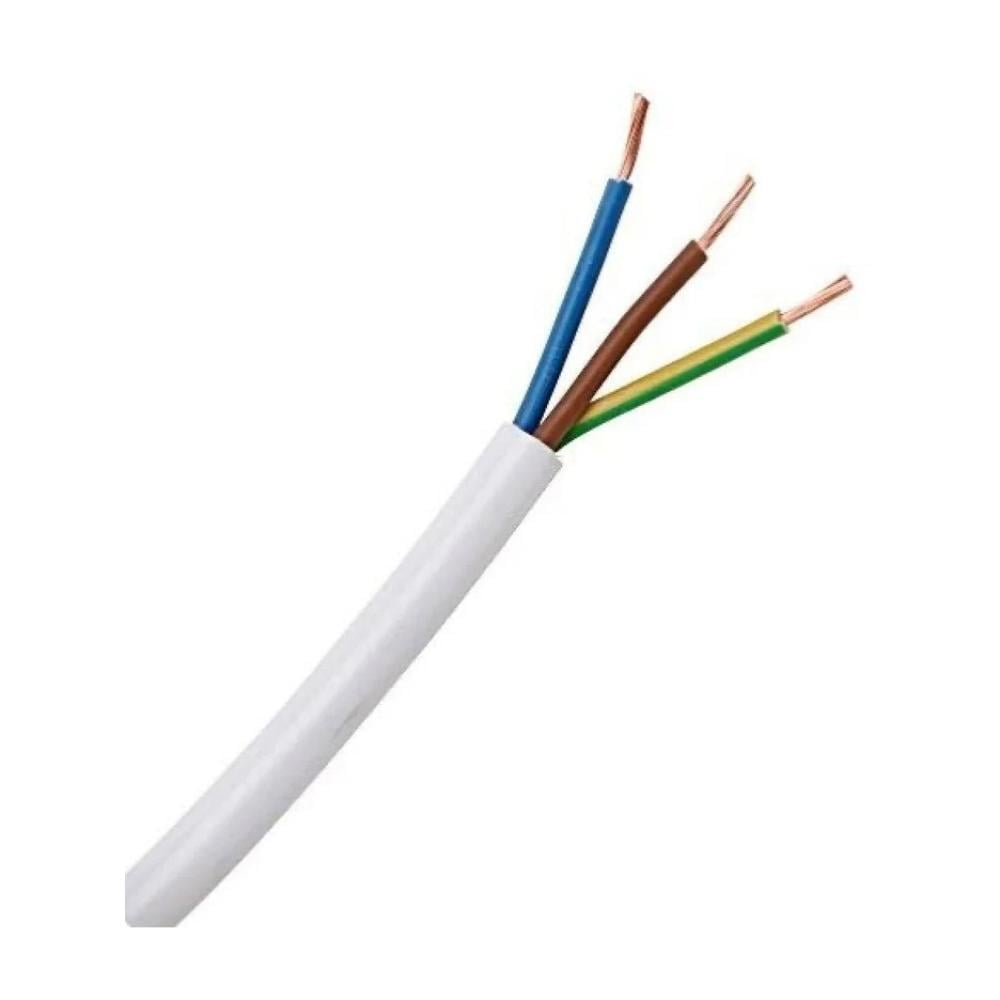
Flexible cables are specially designed electrical connectors that can bend and twist without breaking, making them ideal for various modern devices. Unlike traditional rigid cables, these flexible alternatives are constructed with materials that allow for greater mobility and adaptability. This flexibility is essential in applications ranging from consumer electronics, such as smartphones and laptops, to industrial equipment where movement is frequent. By reducing the risk of wear and tear, flexible cables enhance the longevity of devices and ensure consistent performance over time.
In today's fast-paced technological environment, the importance of flexible cables cannot be overstated. They facilitate seamless connections in increasingly compact devices that demand space-efficient designs. Moreover, their ability to withstand high levels of mechanical stress makes them indispensable in sectors where reliability is crucial, such as automotive and aerospace industries. Ultimately, opting for flexible cables can significantly improve the efficiency and durability of modern devices, underscoring their essential role in contemporary technology.

If you're looking for durability and reliability, check out the Top 10 Braided USB C Cables available on the market. These cables not only provide excellent charging speeds but also resist tangling thanks to their braided design. Whether you need a long cable for home or a compact one for travel, there's something for everyone in this selection.
In today's dynamic technological landscape, the benefits of using flexible cables are becoming increasingly evident. These cables are designed to withstand various stresses and strains, making them a durable choice for both industrial and residential applications. With enhanced resistance to wear and tear, flexible cables are less likely to fracture or break over time. This durability not only minimizes the need for frequent replacements but also ensures a more reliable performance, particularly in environments where movement and bending are frequent.
Moreover, the efficiency of flexible cables is another major advantage. Their design allows for easier installation and adaptability to tight spaces, leading to faster setups and improved workflow. Additionally, they help reduce energy loss during transmission, which contributes to overall energy savings. The convenience factor is undeniable as well; flexible cables can be routed through complicated areas with ease, enabling better organization and reducing clutter. In essence, the use of flexible cables not only enhances functionality but also streamlines operations.
Choosing the right flexible cables for your tech needs involves understanding a few key factors. Firstly, consider the application of the cables—are they for indoor or outdoor use? For instance, flexible cables designed for outdoor environments usually have better weather resistance. Additionally, think about the current and voltage ratings of the cable; ensure they meet the specifications required for your devices. Lastly, the cable’s insulation material and flexibility are crucial, as some applications may require high bendability without compromising performance.
To simplify your selection process, here are some important criteria to follow when choosing flexible cables: