Exploring the world through news, tips, and intriguing stories.
Discover how USB-C is changing the way we charge devices forever—efficiency, speed, and convenience all in one revolutionary connector!
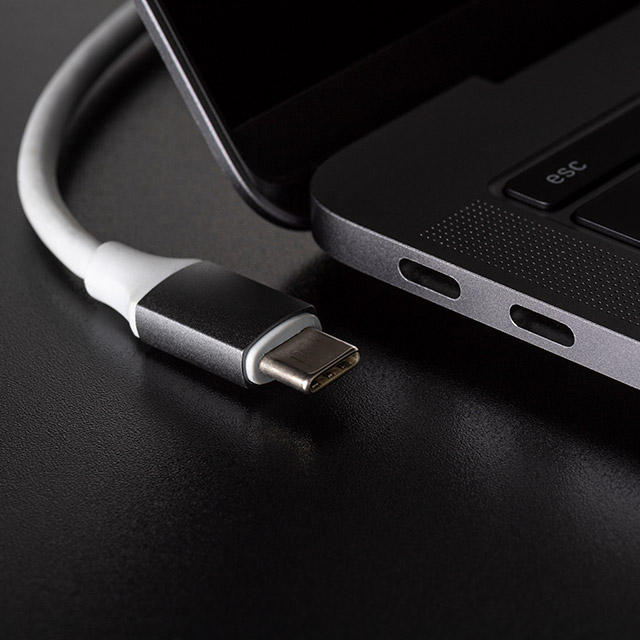
USB-C stands out from other connectors due to its reversible design, allowing users to plug it in either way. This feature eliminates the frustration often associated with older USB types, which could only be connected in one orientation. Furthermore, USB-C supports a range of protocols and technologies, including USB 3.1, Power Delivery, and DisplayPort, making it exceptionally versatile. With the capability to transfer data at speeds of up to 10 Gbps and deliver power up to 100 watts, it provides a comprehensive solution for various devices, from smartphones to laptops.
Unlike traditional USB connectors, USB-C is also designed to be future-proof. As technology evolves, USB-C is expected to accommodate new innovations, such as faster data transfer rates and higher power outputs. This adaptability is crucial as manufacturers move towards standardizing this connector across different device categories. Additionally, many emerging accessories and peripherals are adopting USB-C, creating a more cohesive ecosystem for users, which is something previous connector types struggled to achieve.

If you're looking to declutter your workspace and keep your devices charged, check out the Top 10 Desk Charging Stations that combine functionality with sleek design. These charging stations can accommodate multiple devices, ensuring that your smartphones, tablets, and laptops are always powered up and ready to use.
The evolution of charging technology has taken a remarkable turn with the introduction of USB-C. Initially dominated by proprietary connectors, the charging ecosystem was a nightmare for consumers who battled with various cables and adapters. With the adoption of USB-C, a universal standard emerged, allowing for faster data transfer and charging speeds. This innovation not only simplified the user experience but also reduced electronic waste, as fewer cables and chargers were needed across devices. For instance, multiple gadgets like smartphones, laptops, and tablets can now share a single cable, demonstrating how USB-C has truly revolutionized our daily interactions with technology.
Moreover, the versatility of USB-C has significant implications for the future of charging. Unlike its predecessors, USB-C supports a range of functionalities, including video output and power delivery, making it an all-in-one solution for modern devices. According to a recent study, USB-C can deliver up to 100 watts of power, making it suitable for charging everything from smartphones to laptops with ease. As more manufacturers embrace this technology, consumers can expect a more streamlined charging experience ahead, solidifying USB-C's position as a game-changer in the evolution of charging.
When it comes to USB-C cables, many users assume that all cables offering the same connector type will perform identically. However, not all USB-C cables are created equal. The specifications and quality of the cable can significantly impact its performance. For instance, some cables support faster data transfer rates or higher power delivery capabilities than others. USB-C cables can be categorized based on their capabilities:
Moreover, the materials used in the construction of USB-C cables also contribute to their overall quality and durability. Poorly made cables may not only fail to meet the advertised specifications but can also pose safety risks, such as overheating or short-circuiting. It's essential to seek cables from reputable manufacturers and to look for certifications such as USB-IF (USB Implementers Forum) compliance. In doing so, consumers can avoid subpar products that may lead to device damage or inefficient performance. Ultimately, investing in high-quality USB-C cables ensures a reliable connection and maximizes the capabilities of your devices.