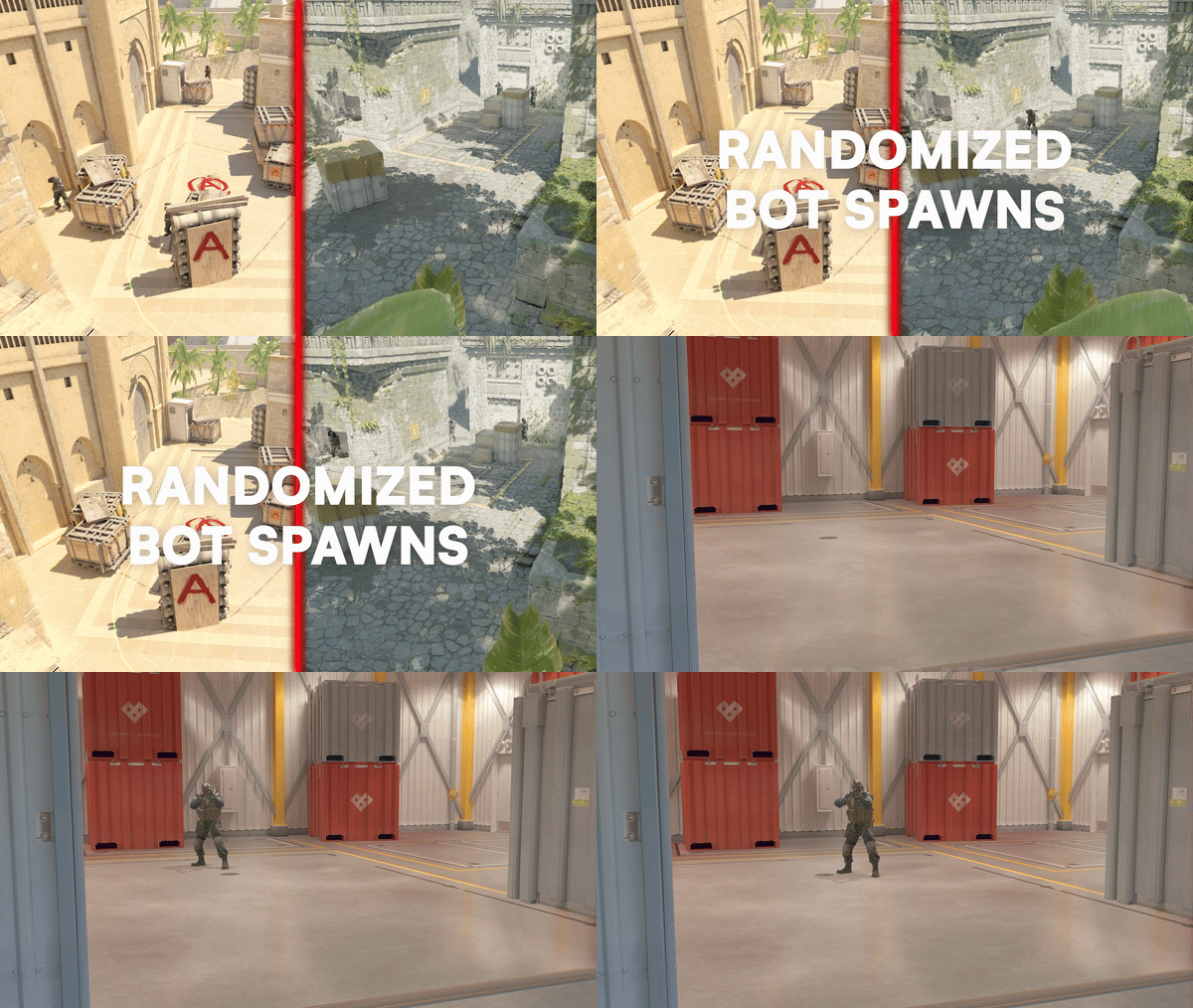
Mastering Pre-Fire: Top 5 Angles for Every CS2 Map
In Counter-Strike 2, mastering pre-fire techniques is crucial for gaining the upper hand against your opponents. Effective pre-firing relies on understanding the angles specific to each map, allowing players to anticipate enemy movements and secure kills before they even come into view. Let's dive into the top 5 angles for every CS2 map that can elevate your gameplay and give you that competitive edge.
- Common Choke Points: Every map features choke points where players often congregate. Angles that cover these areas are ideal for pre-firing since they provide maximum visibility and high traffic.
- Corner Crosshair Placement: Positioning your crosshair at head level around corners can yield immediate results. Pre-fire at these angles to catch opponents off-guard before they have a chance to react.
- Common Hiding Spots: Familiarize yourself with typical hiding spots where enemies may lurk. Pre-firing these angles can mean the difference between winning and losing a firefight.
- Long Sightlines: Angles that cover longer distances are vital, especially on maps known for wide-open spaces. A well-timed pre-fire can secure early picks that swing momentum in your favor.
- Elevation Changes: Utilize the verticality of a map to your advantage, pre-firing at elevated angles where enemies might expect to gain a height advantage. This can surprise enemies and give you the upper hand in engagements.
Counter-Strike is a highly competitive first-person shooter game that has captivated players since its release. As players strive to improve their skills, many look for professional setups, such as b1t settings, to enhance their gameplay. With various strategies and teamwork elements, Counter-Strike remains a staple in the esports community.
The Ultimate Guide to Pre-Firing: Techniques to Outsmart Your Opponents
In competitive scenarios, mastering the art of pre-firing can be a game-changer. Pre-firing refers to the technique of shooting at a location where you anticipate an opponent will appear, allowing you to gain the upper hand before they even realize you're there. To effectively utilize this tactic, it’s crucial to understand map layouts and common player paths. Familiarizing yourself with frequently used hiding spots and choke points can help you preemptively strike. Here are a few techniques to enhance your pre-firing skills:
- Study Player Behavior: Observing patterns in your opponents’ movements can provide insights into when and where to pre-fire.
- Use Sound Cues: Listening for footsteps or reload sounds can indicate enemy presence, giving you the opportunity to react.
- Practice Crosshair Placement: Keeping your crosshair at head level and targeting likely enemy positions can significantly improve your chances of landing an early hit.
In addition to these techniques, timing is another critical factor in successful pre-firing. The art lies not just in knowing where to shoot, but also in anticipating the exact moment your opponent will expose themselves. A well-timed pre-fire can often catch your adversaries off guard, leading to quick eliminations. Coupled with good positioning, pre-firing can tilt the odds in your favor during intense firefights. Remember to utilize cover effectively; when you’re on the offensive, you want to strike quickly while minimizing your own exposure. To wrap it up, refining your pre-firing techniques can greatly enhance your gameplay. Embrace these strategies, and watch as your opponents struggle to outmaneuver your tactical foresight.
Pre-Fire Strategies: Common Mistakes and How to Avoid Them
Implementing Pre-Fire Strategies is essential for successful fire prevention and management. However, many organizations and individuals fall into common traps that can jeopardize their plans. One significant mistake is not conducting a thorough risk assessment. Without a detailed understanding of the specific hazards present in your environment, it's challenging to develop effective strategies. Regularly reviewing and updating your risk assessments can significantly enhance your preparedness. Another frequent error is neglecting training and communication. Even with the best strategies in place, if your team isn't properly trained or aware of their roles, the plan can fall apart during a crisis.
To avoid these pitfalls, consider implementing the following best practices for your Pre-Fire Strategies:
- Conduct Regular Risk Assessments: Evaluate your setting frequently to stay updated on new potential threats.
- Invest in Training: Ensure all team members are well-trained and conduct regular drills to reinforce their skills.
- Maintain Open Lines of Communication: Establish clear channels for sharing important information regarding safety protocols and real-time updates.